Exporters · 5 min read
How to Export Products Internationally: A Step-by-Step Guide
A practical export roadmap from market selection and pricing to compliance, payment, documentation and delivery.
HTM Global Tech Editorial Team · Updated 2026-08-09
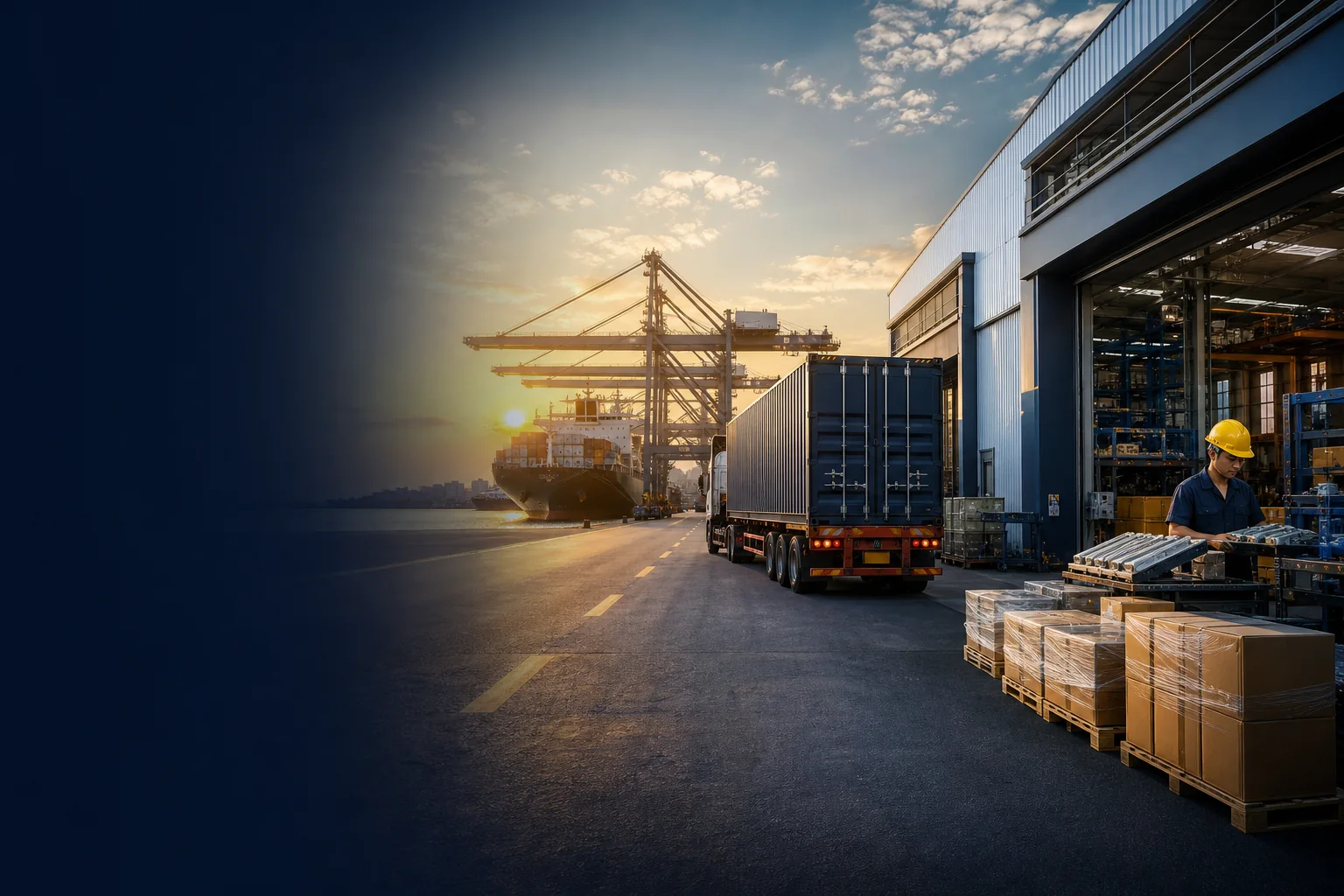
The short answer: To export products internationally, choose a viable target market, confirm product and company eligibility, adapt the product to destination standards, calculate export and landed pricing, find and verify buyers, agree payment and Incoterms, obtain licences or certificates, prepare consistent documents, arrange insured transport and retain post-shipment records. Validate the rules for the actual product, origin and destination before accepting the order.
1. Check whether the product and business are export-ready
Export readiness starts with repeatability. Confirm production capacity, quality controls, traceability, packaging, lead times, working capital and after-sales capability. Identify what would happen if an overseas buyer doubles an order, requests a corrective action or needs replacement parts. International sales amplify operational weaknesses as quickly as they create growth.
Check export registration, tax, foreign-exchange and reporting requirements in the country of origin. Classify the product, screen it for export controls and identify licences, restricted destinations or controlled end uses. Rules change, so use the relevant government authority and qualified advisers for the actual transaction.
2. Select a market with evidence
Compare import demand, growth, tariffs, non-tariff requirements, competition, route cost, payment risk and channel access. A large market is not automatically an accessible market. Focus on a small number of destinations where the product has a clear buyer, price or supply advantage.
Interview potential buyers and service providers to validate the data. Learn who imports, who distributes, what certifications matter, normal order sizes, seasonal buying windows and expected credit. Write a market-entry hypothesis with measurable assumptions before investing in localisation or inventory.
3. Adapt the product and calculate export pricing
Destination rules may affect safety, labelling, language, plugs, ingredients, packaging, recycling, warranty and testing. Determine who is legally responsible and obtain required evidence before shipment. A buyer’s reassurance does not replace an official requirement.
Build pricing from cost, target margin and the selected Incoterm. Include export packaging, inland movement, handling, documents, inspection, finance, commission, freight, insurance and currency risk as applicable. Also estimate the buyer’s landed cost so your offer remains viable after duty, tax and distribution margin.
4. Find buyers and agree secure payment
Build a focused buyer list from trade data, fairs, associations, chambers, referrals and targeted research. Present a market-relevant offer with specification, capacity, certifications, lead time, minimum order, pricing basis and sample process. Verify the legal entity and decision-maker before relying on the opportunity.
Choose payment terms from transaction risk, relationship history and bargaining position. Options include advance payment, letters of credit, documentary collections and open account supported by credit insurance or limits. Understand the document conditions and bank charges before accepting a letter of credit; exact compliance matters.
5. Contract the responsibilities clearly
The sales contract or confirmed order should cover product, quantity, tolerance, price, currency, Incoterm and named place, delivery window, inspection, documents, payment, warranty, force majeure, governing law and dispute resolution. Align it with the quotation and buyer purchase order instead of allowing conflicting standard terms to sit unnoticed.
Select the Incoterm by mapping who can control each logistics and customs step. Avoid casual phrases such as “FOB factory” or “delivered” without a named place and version. Confirm insurance responsibility and what evidence each party needs when risk transfers.
6. Prepare documents, clear customs and ship
Book with a capable forwarder and provide accurate cargo details, including dangerous-goods status where relevant. Prepare the commercial invoice, packing list, export declaration and transport instructions, then add origin, inspection, insurance, health, conformity or licence documents required by the product and route.
Check names, descriptions, codes, quantities, values, weights, marks and dates across the complete document set. Ensure the buyer has completed import permits or pre-arrival filings. Track cut-offs and retain evidence of export, carriage, insurance and delivery.
7. Manage delivery, payment and the next order
Monitor exceptions until delivery, not merely vessel departure. Support document corrections quickly, record claims and reconcile actual margin against the quotation. Complete bank presentation or collection steps on time and preserve records for tax, customs, origin and export-control obligations.
After delivery, review defects, transit performance, buyer sell-through, payment and forecast. HTM Global Tech brings market access, documentation, customs coordination and end-to-end logistics into one export pathway, helping businesses turn a first enquiry into a repeatable international trade lane.
Frequently asked questions
What is the first step in exporting a product?
Confirm that the product and business are operationally and legally ready, then validate a specific market before investing in broad promotion.
Do I need an export licence?
It depends on the product, technology, destination, end user and origin-country rules. Check the relevant authority for each transaction.
Which payment method is safest for exporters?
Advance payment offers strong protection but may be unattractive to buyers. The best method balances both parties’ risk and may involve a confirmed letter of credit, collection or insured open account.
Sources and further reading
Build an export route that can repeat.
HTM Global Tech helps exporters connect opportunity, compliance, documents and logistics so international growth is easier to execute.